Do You Need a License for Body Sculpting? What to Check
Do you need a license for body sculpting?
There is no single answer that applies to every body sculpting service in every US state. Rules vary by state, the exact procedure, the device, the setting and the qualifications of the person performing it. Before taking bookings, check with your state board and, where appropriate, your state medical board. An online course certificate is evidence of education; it is not a state-issued license, a medical qualification or permission to perform every treatment advertised as non-invasive.
This guide explains how to investigate your own situation without assuming that a course seller can decide your legal scope of practice. It is general educational information, not legal advice. If a regulator cannot answer your question clearly, ask a qualified attorney familiar with professional licensing in your state before spending money on a device or premises.
Start with the procedure, not the marketing name
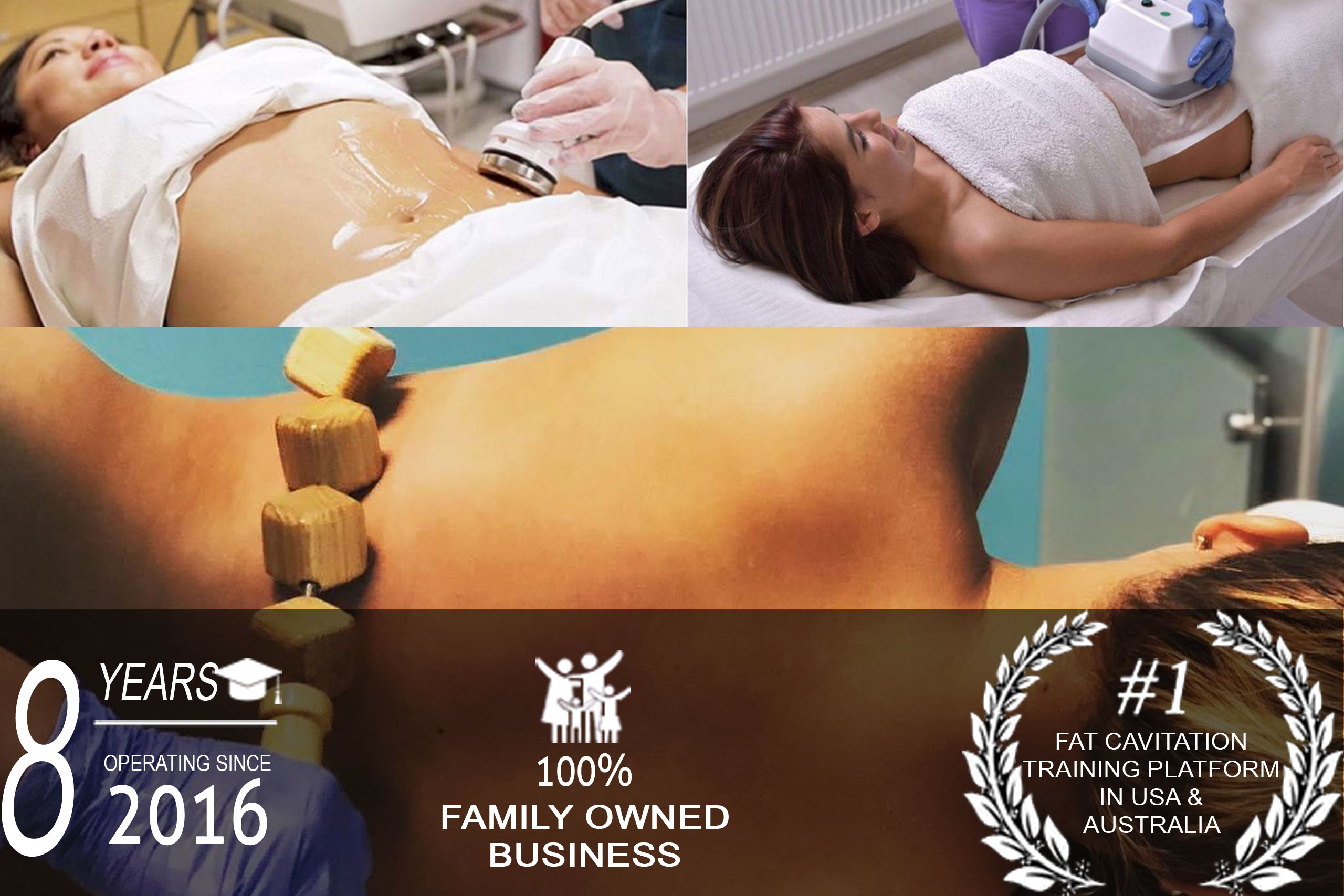
Body sculpting and body contouring are umbrella terms. A business may use them to describe ultrasonic cavitation, radiofrequency, cryolipolysis, electrical or electromagnetic stimulation, vacuum-based services or manual wood therapy. Those services are not automatically regulated in the same way. A rule that applies to a manual service does not necessarily cover an energy-based device.
Write down the exact treatment you plan to offer and the manufacturer, model and intended use of the equipment. Record whether the device uses heat, cooling, ultrasound, light, suction or stimulation. Include the proposed treatment areas and whether you intend to make cosmetic or medical claims. Regulators can give a more useful answer when they have these details rather than a broad question about a body sculpting business.
Understand the difference between a certificate and a license
A certificate of completion records that a person finished a particular training program and met its stated assessment requirements. Its value depends on the content, assessment and relevance of that program. A professional license is an authorization issued under a legal framework. A business registration, zoning approval, insurance policy and device training record are additional documents with separate purposes.
Buying a certification does not replace these requirements. Neither does completing a business course or receiving a provider's accreditation statement. Ask what your chosen course actually awards, who issues it and what assessments it includes. If a course advertisement says you will be eligible to practise anywhere after a short online module, treat that as a claim requiring independent verification.
Which state boards should you contact?
Start with the official state government website for cosmetology or barbering, esthetics, massage therapy and medicine, selecting the bodies relevant to the work you propose. The correct regulator depends on the service. Your existing professional board may also have scope-of-practice guidance, advisory statements or disciplinary notices covering devices.
Explain your present qualifications and ask whether your proposed procedure falls within that license, requires another credential, requires supervision or may not be delegated to you. Check local business licensing and zoning separately with the city or county. Home-based businesses should also investigate lease restrictions, building use, accessibility and any local health or sanitation requirements. An answer from a training company or equipment salesperson is not a substitute for the regulator's answer.
Ask specific questions and keep the answers
A useful written inquiry identifies your state, qualifications, proposed equipment, procedure and workplace. Ask who may operate that model for the intended service, whether an establishment license is required, whether supervision or delegation rules apply and whether specific training is mandated. Ask the board to point you to the relevant rule or published guidance.
Keep dated copies of the response and the material it references. A telephone conversation can help you find the right office, but a written record is easier to review with your insurer or attorney. If a board tells you that another authority has responsibility, follow that referral. Do not interpret a lack of response as approval, and do not assume that competitors' advertising proves a service is permitted.
Check device requirements and risk information
The fact that a treatment is described as non-invasive does not mean it is risk-free or unrestricted. Read the manufacturer's current instructions for the exact device, including intended use, operator requirements, contraindications, maintenance and adverse-event guidance. Ask the supplier for authentic documentation rather than relying on screenshots or a general claim about regulatory status.
The FDA's information on non-invasive body contouring explains that these technologies have limitations and risks. Regulatory clearance or authorization for a device does not grant an individual permission to use it outside their professional scope. Avoid describing a treatment as a weight-loss solution, a cure or a guaranteed transformation. Training should explain when to decline a service and when to direct someone to a qualified healthcare professional.
Confirm insurance before you buy equipment
Tell the insurer exactly which treatments and devices you intend to use. Ask whether your qualifications, training, premises and supervision arrangements meet the proposed policy's conditions. Request the answer in writing and review exclusions and limits, rather than assuming that a general beauty or massage policy covers every body contouring modality.
Training acceptance can differ between insurers. A certificate may support an application without guaranteeing that cover will be available. Give the insurer a course outline and assessment information before enrolling if insurance acceptance is essential to your decision. Ask about professional liability, public liability, equipment cover and record-keeping obligations as appropriate to your business. Do not advertise yourself as insured until the relevant policy is in force.
Choose training that supports safe decisions
Once you understand the legal position, compare the training with the particular service you are allowed to offer. A useful course should address consultation, contraindications, consent, hygiene, equipment instructions, treatment limitations, documentation and aftercare. Online demonstrations can support learning, but they do not replace supervised practical instruction where required or device-specific competence.
For a focused starting point, review ultrasonic cavitation and radiofrequency training, fat freezing certification or wood therapy certification. Compare the actual syllabus with your regulator's and insurer's requirements; do not treat the presence of a course as proof that its procedure is lawful for you.
Plan consultations, consent and records
Your compliance review should extend beyond a license check. Establish a consultation process that screens for contraindications without attempting to diagnose medical conditions. Explain the service, its limitations, foreseeable risks, alternatives and aftercare in clear language. A signed form is useful documentation, but it does not make an unsuitable treatment appropriate or waive your professional responsibilities.
Store client records securely and limit access to people who need them. Obtain separate permission for photographs and marketing use, and avoid publishing identifiable material without informed consent. Keep equipment service records, staff training records and incident procedures. These practices help you operate consistently; they do not guarantee a particular client outcome or remove the need for professional advice.
Budget for compliance rather than only the course
A sensible startup budget includes any required licenses, professional advice, device training, insurance, premises approvals, consumables, equipment servicing and secure record systems. These costs vary, so request actual local quotes rather than treating an example budget as a forecast.
Do not commit to a long lease or device finance agreement while the legal position remains unclear. Stage your spending so that you can stop if a planned modality does not fit your qualifications or coverage. The body sculpting business guide explains how to turn research into an operating plan. No course, treatment menu or advertising strategy guarantees demand, bookings, profit or income.
Recheck the position when your business changes
Moving to another state, hiring staff, changing premises or adding a device may change the answer you received earlier. Make a fresh inquiry before launching the new service. Keep a simple review calendar for license renewal, policy renewal, equipment maintenance and updates to manufacturer instructions.
The practical sequence is: identify the service, contact the appropriate state board, obtain any required permissions, confirm insurance, choose relevant education, develop competence and document your procedures. If any step is unresolved, pause before accepting clients. This is more useful than looking for a universal yes-or-no answer to whether body sculpting needs a license.
Questions to answer before your first booking
Can you identify the rule that permits you to perform the exact service? Is your insurer aware of the device? Have you met any training or supervision conditions? Do you know when to refuse a treatment and how to respond to a concern? Is your marketing accurate about what certification means?
Use these questions as a readiness checklist, not a replacement for the regulator. See the body sculpting certification guide for the education side and compare body contouring courses only after checking your individual requirements.
Frequently Asked Questions
Does an online body sculpting certificate let me practise in every state?
Is non-invasive body contouring automatically unregulated?
Should I check insurance before choosing a course?
Can a course guarantee treatment results or business income?
Ready to Get Certified in Body Sculpting?
Our online body sculpting courses cover all the treatments mentioned in this article. Study at your own pace with lifetime access.
View Complete Body Sculpting Certification BundleCompare the matching course at Body Contouring Courses
Enrol in Complete Body Sculpting Certification Bundle